Proud to Welcome New Talents to NAMC Team
March 30, 2026



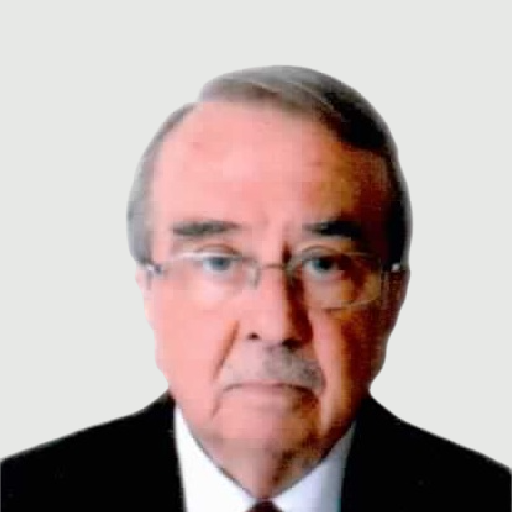
His Excellency Mr. Hamdi Tabbaa is one of the most prominent economic and industrial figures in Jordan and the region, with a distinguished career spanning decades of leadership in the industrial and commercial sectors, including the mining and related industries. He served as Minister of Industry, Trade, and Supply, and chaired the Board of Directors of the Jordan Cement Factories (Lafarge), reflecting his pivotal role in advancing heavy industries and mining. He also held the presidency of the Amman Chamber of Commerce and the Jordan Federation of Chambers of Commerce, and played a key role in founding and leading the Arab Businessmen’s Union and the Jordanian Businessmen Association. In addition, he has been a member of boards and prominent economic and financial institutions, including the Central Bank of Jordan and the Jordan Islamic Bank, and served as a commercial consultant for major international companies. His career has been recognized with numerous national and international honors, celebrating his significant contributions to economic development and industrial growth at both local and regional levels.
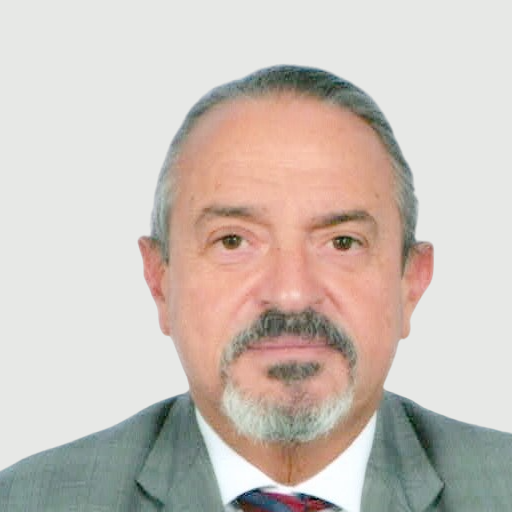
Eng. Said Abu Odeh is a leading engineering and executive professional in the Gulf region, with extensive experience in civil engineering, construction, oil and gas, and large-scale project investments. He currently serves as CEO of Black Cat Engineering & Construction (BCEC) and COO of Qatar Investment & Project Development Holding (QIPCO Holding), in addition to chairing the board of ALTRAD Babcock (Oil & Gas Services) and holding board memberships at Future Pipe Industries and Mazaya Qatar Real Estate Development. Eng. Abu Odeh has led major infrastructure and heavy industrial projects and has held strategic executive and advisory roles in prominent engineering and financial companies across Qatar. He holds a Bachelor’s degree in Civil Engineering from Purdue University, a Master’s degree in Engineering Management from The George Washington University, and completed the Advanced Management Program (AMP) at Harvard Business School, reflecting a strong combination of engineering expertise and executive leadership at regional and international levels.
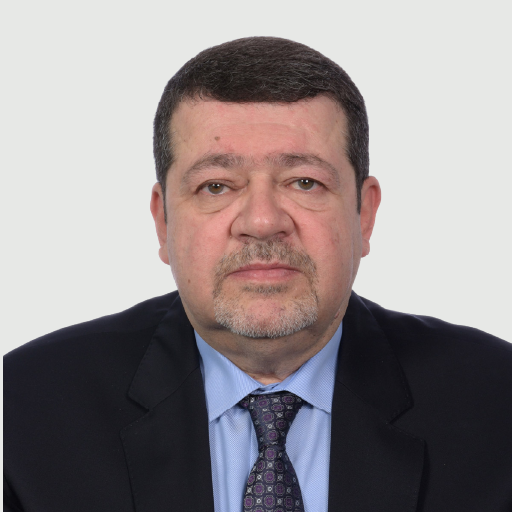
H.E. Ayman Hatahet is a distinguished economic and administrative leader in Jordan, with extensive experience in industrial, financial, and managerial sectors. He served as a member of the Jordanian Senate, participating in financial, economic, and public services committees, and held the position of Minister of Transport. He currently chairs, and has previously chaired, leading industrial companies including the Jordanian Carbonate Company and the Travertine Company, highlighting his significant role in the mining and natural resources sectors. H.E. Hatahet has also held leadership roles in banking, insurance, and real estate, serving on the boards of the Central Bank of Jordan and the Islamic Bank, as well as the Natural Resources Authority. He has contributed to supporting Jordanian exports and developing national industries through his presidency of the Jordanian Exporters Association and the Jordan Chamber of Industry. Additionally, he served as Honorary Consul of the Republic of Honduras and participates in several charitable, educational, and health institutions. His career reflects a strong record of economic leadership, industrial development, and strategic oversight of investments in the industrial and mining sectors.
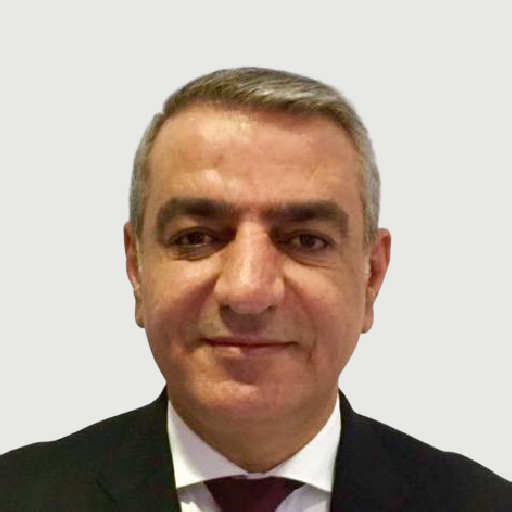
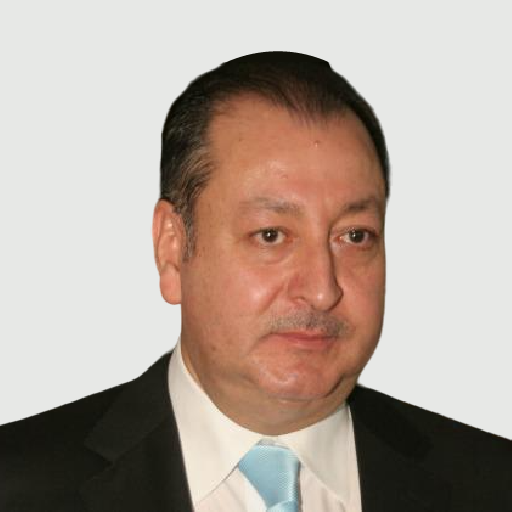
Dr. Eng. Majid Al Sa’adi is a leading economic and investment figure in the region, with decades of experience in managing multi-sector companies and restructuring underperforming industrial organizations. He currently serves as CEO of Eastern Holding Group, which has diversified investments in aviation, industry, renewable energy, and education, and is recognized for his strategic leadership in enhancing productivity and corporate performance. He chairs the boards of Dnata Jordan and Bank of Baghdad, and leads the Iraqi Business Council in Jordan as well as the Iraq Reconstruction Forum in Baghdad. Dr. Al Sa’adi is the founder of Al Sa’adi Charity Association, supporting education and scholarships for Iraqi students in the UK, and holds advisory and academic positions at several UK universities. He also chairs the Central England Development Center, focused on developing and restructuring heavy and military industries. Known for his expertise in mechanical engineering, energy, and economic restructuring, Dr. Al Sa’adi is a prominent leader in investment, industrial development, and corporate transformation in the region. Held leadership positions in leading companies such as Stratos and Aramco for mining and heavy industries. Led operations and development in various companies, contributing to sustainable growth and increased profitability. Effective skills in strategic planning and execution to achieve company goals and development. Strengthened business relationships with partners and clients to enhance continuous growth and stability.
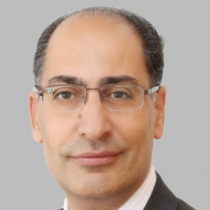
Dr. Ibrahim Hassan Saif is a leading economist and strategic advisor in Jordan and the region, with extensive experience in economic planning, investment, and industrial development. He served as Jordan’s Minister of Energy and Mineral Resources, playing a key role in developing the mining sector and managing natural resources, and as Minister of Planning and International Cooperation, strengthening economic policies for sustainable development. He currently serves as CEO of the Jordan Strategy Forum and has been a senior advisor for Oman Vision 2040. Dr. Saif has contributed to numerous economic studies and field research on industrial and service sector performance, labor market policies, and structural reforms, leading consulting projects with international organizations including the World Bank, IMF, and ILO. His career reflects a unique combination of academic expertise and practical leadership, with a strong track record in economic policy development, national industrial support, and strategic initiatives in mining, energy, and related industries.
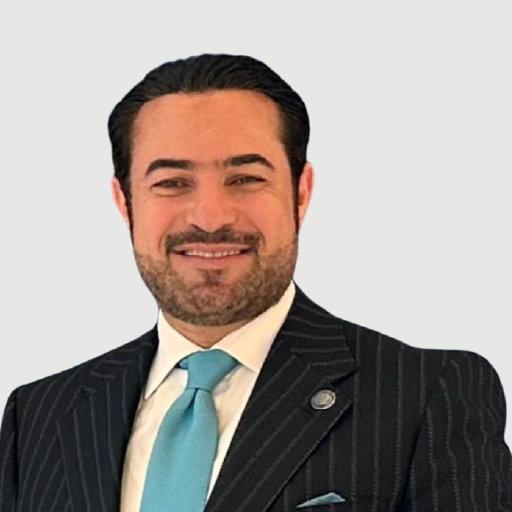
Dr. Raed El Omari is a Jordanian businessman and Chairman of ALOMARI HOLDING Qatar, as well as the owner of ALWANI House and ASH Tourism in Madaba, Jordan. He holds a Ph.D. in Takaful Insurance from EIU and a Ph.D. in FinTech and Insurance from AITU, in addition to an MBA from Oxford and a Bachelor's degree in Economics and Management from Mutah University, Jordan. He is a member of the Jordanian Businessmen Association and the European Arab Business Association, and serves as a Development Ambassador and International Arbitration Advisor. Throughout his career, he has achieved numerous accomplishments in the insurance sector, including being a top VIP agent worldwide and a lifetime member of MDRT, along with several regional and international recognitions.

Ayman Ayyash is a distinguished international business leader and advisor, holding dual Australian and Jordanian nationality, with over three decades of experience in civil engineering, construction, mining, oil and gas, and investment. He began his career as a Sales Engineer for DuPont in the Gulf region, successfully establishing and expanding the market for DuPont products to become a leader in the regional construction industry. He then served as MENA Regional Director for Vinidex Tube Makers, a subsidiary of BHP Billiton, becoming a key supplier of PE and PVC pipes for infrastructure, oil, gas, and mining projects. Ayyash further enhanced his engineering and management expertise with an MBA from RMIT, Melbourne, and served with Austrade and the Australian Department of Foreign Affairs in the MENA region, facilitating Australian companies’ entry into regional markets across mining, oil and gas, education, health, and food sectors. He has also founded and served on the boards of multiple financial and industrial entities, including Tuhama Financial Investment, Tantalum International, Tantalum Egypt, Nubian Resources, and Adobha Resources in Egypt and Eritrea, with a focus on mining industries. His career demonstrates a proven record in regional business development, strategic relationship-building, and leading large-scale industrial and commercial projects, establishing him as a prominent figure in mining, construction, and heavy industries across the MENA region.
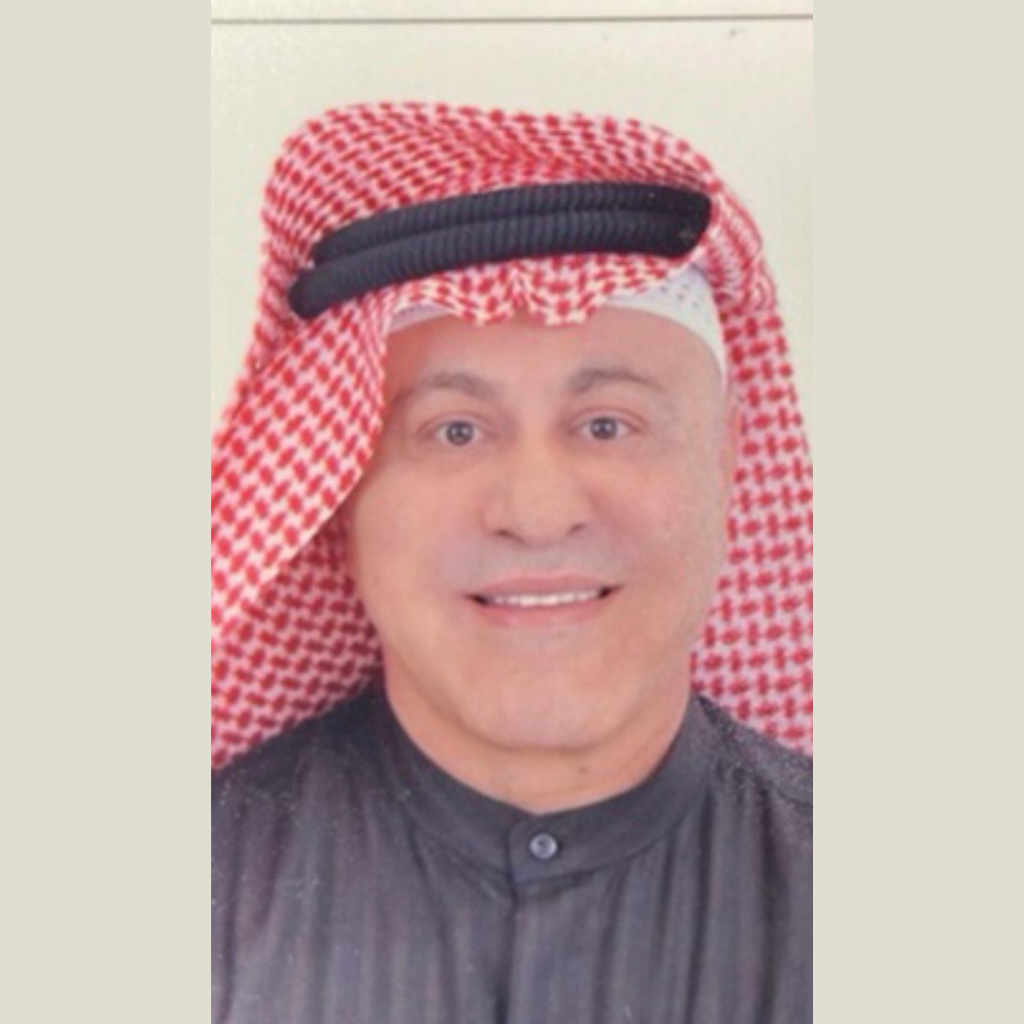
Shafiq Abdelhamid is a distinguished business leader, entrepreneur, and investor with over four decades of experience driving major engineering, construction, and industrial projects in the UAE. He is renowned for his strategic leadership and exceptional expertise in corporate turnarounds, having successfully rescued Drake & Scull International PJSC from a severe financial and operational crisis and restored it to profitability. As the founder, chairman, and CEO of City Engineering & Contracting LLC, he has overseen large-scale construction and infrastructure projects across Sharjah and Dubai, while also establishing and leading multiple real estate ventures, including City Living Real Estate and City Oasis Real Estate. He has served on boards of major corporations, including as Vice Chairman of Eshraq Properties, contributing to investment oversight, governance, and sustainable growth. His career reflects a strong record of building resilient organizations, leading industrial and construction initiatives, and driving strategic transformation in complex corporate environments.
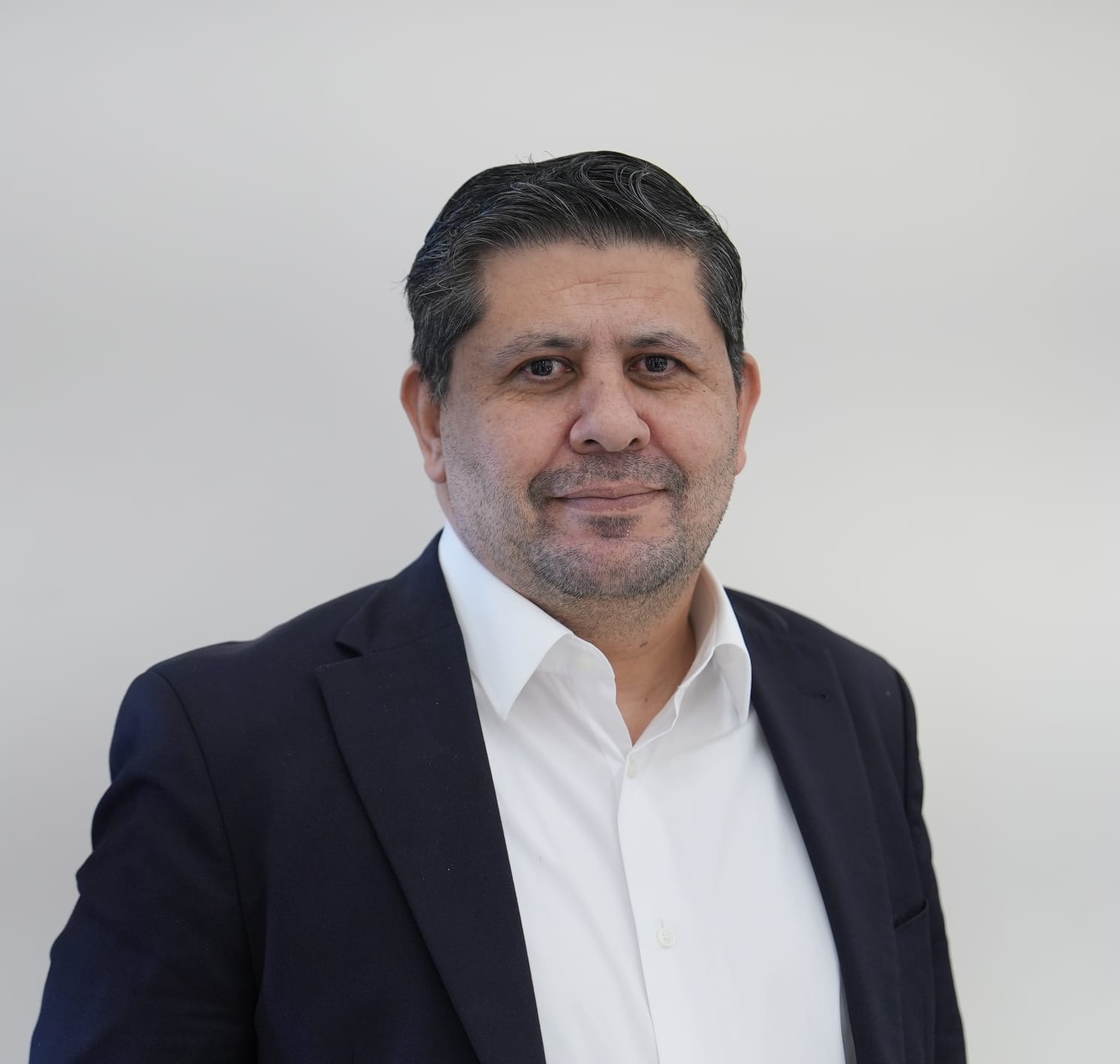
Eng. Amjad Al-Blawi is a distinguished financial and operational executive with over 25 years of experience in financial management and operational leadership across aviation, healthcare, and heavy industries, including mining. He has held senior financial and management positions at leading companies such as Jordan Magnesia Co. (JORMAG) and Arab Potash Co, overseeing financial operations, foreign procurement, loan management, and major investment projects within the mining and chemical sectors. He also led strategic projects worth hundreds of millions, including the Cleamancuea Hospital development in Amman, managing finance, procurement, and government approvals, demonstrating his expertise in large-scale project management and infrastructure coordination. Eng. Al-Blawi is recognized for optimizing financial performance, structuring complex operations, and leading cross-functional teams in diverse industrial and investment environments.
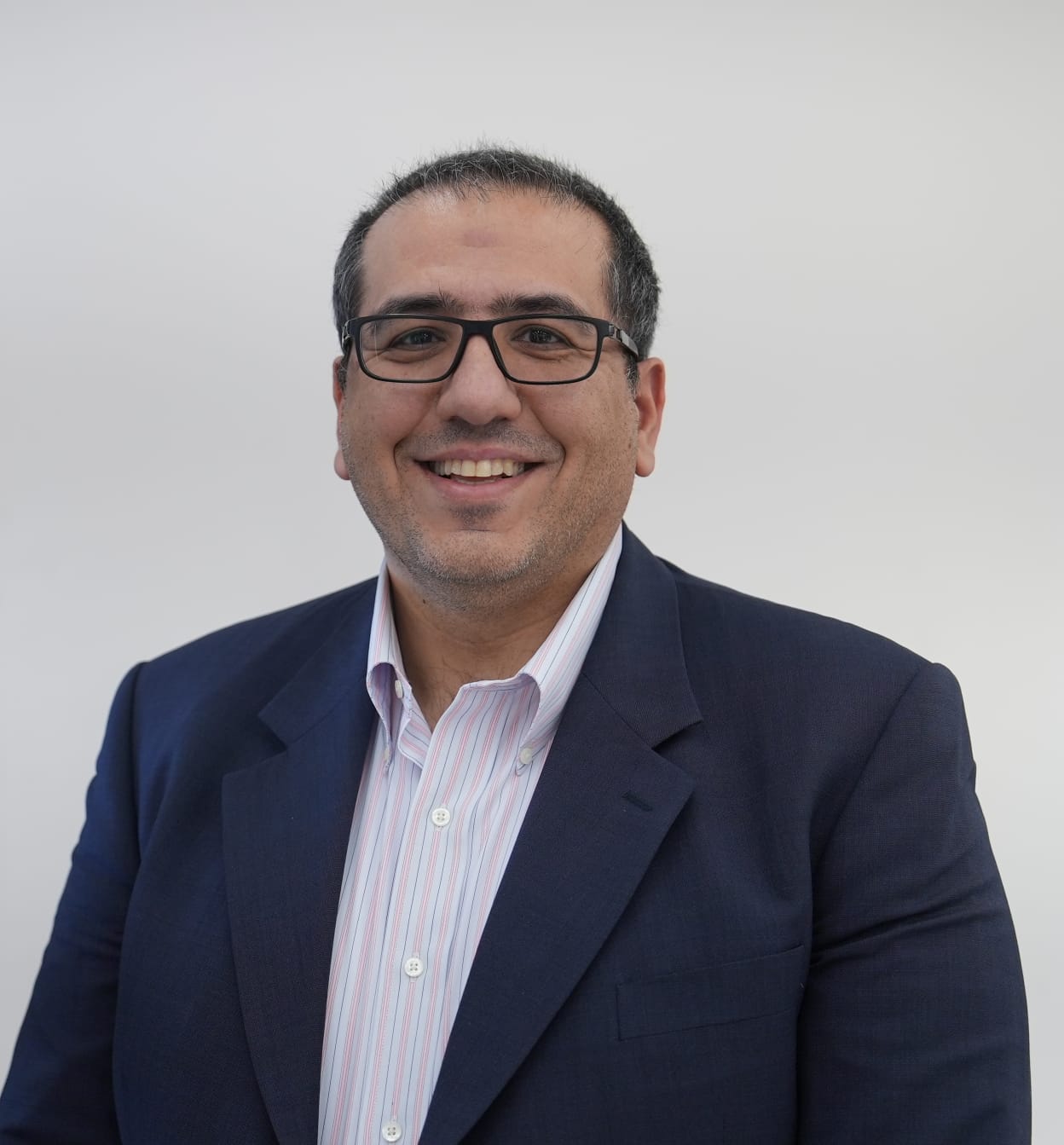
Basel Zayyat is a senior executive with over 20 years of experience across energy, mining, and heavy industries, spanning portfolio management, large-scale project delivery, and strategic partnerships in the MENA region and beyond. He currently serves as Chief Technical Officer of the National Arab Mining Company and Downstream Industries (NAMC), where he leads the company's technical direction across a portfolio of more than USD 700 million in anchor projects, including a lithium carbonate refinery, an LFP cathode plant, a manganese sulfate plant, an energy-storage battery assembly plant in Aqaba, basalt-fiber reinforced polymer rebar, and copper exploration at Ghor Fifa. His mandate covers technology selection, engineering and process design, licensor and partner selection, project execution oversight, technical due diligence, and building the engineering teams that will run these assets at industrial scale. Previously, he served at a senior government advisory office in Jordan, where he supported the delivery of national programs under the Economic Modernisation Vision. Earlier in his career, he held leadership roles with global companies including Baker Hughes and GE Oil & Gas, managing multi-billion-dollar operations and leading field services, project execution, and commercial functions across the Middle East, Africa, and beyond. Basel is recognized for structuring public-private partnerships, driving digital transformation, and developing strong local teams to ensure operational sustainability. His contributions to national development were honored with the Silver Jubilee Medal by His Majesty King Abdullah II in 2025.

Ms. Marah Nayef Hattab is a distinguished executive in Monitoring, Evaluation, and Learning (MEL), data management, and corporate administration, with over two decades of experience in designing and implementing strategic MEL frameworks, and conducting evaluations to support informed decision-making at the institutional level. She currently serves as Business & Administrative Manager at the National Arab Mining Company & Downstream Industries (NAMC), overseeing all administrative and financial operations, human resources, contracts, and coordination with investors and strategic partners, ensuring robust corporate governance and operational excellence. Ms. Hattab possesses extensive expertise in managing multi-stakeholder projects, developing institutional systems, and analyzing operational performance, with a proven track record in supporting strategic planning and driving operational efficiency within the mining and downstream industrial sectors in line with international best practices.